• Skip to primary navigation
  • Skip to main content
  • Skip to footer
Aactron, Inc.

Aactron, Inc.

Madison Heights, MI

(248) 543-6740 (248) 543-6847 Certificates Brochure (PDF) Download Contacts Review Us

  • Home
  • About
    • Testimonials
    • Blog
  • Services
    • Automotive / Truck
    • Aerospace & Aircraft
    • Defense / Military
    • Heavy Truck & Commercial
    • Oil & Mining
    • Wind & Solar Power
  • Specifications
    • Standard Documentation, Testing & Treatments
    • Terms and Conditions
    • Capabilities – Line Card
    • Approvals And Certifications
  • Location
  • Careers
  • Contact

aerospace metal finishing

Top Metal Finishing Technology Trends Shaping 2026

February 18, 2026

The metal finishing industry is entering a period of rapid transformation. As manufacturers across automotive, aerospace, military defense, and heavy industry demand higher performance, tighter tolerances, and greater accountability, metal finishing is no longer viewed as a secondary process. It has become a critical component of product performance, reliability, and lifecycle cost control.

In 2026, metal finishing innovation is being driven by advanced coatings, automation, and increased emphasis on precision and documentation. These trends are reshaping how surface treatments are specified, applied, and evaluated across high-spec manufacturing environments.

Advanced Coatings and Precision Surface Engineering

One of the most significant trends shaping modern metal finishing is the continued development of advanced coatings designed for performance-critical applications. These include high-durability coatings, thin-film technologies, and surface treatments engineered to enhance corrosion resistance, wear protection, and chemical stability.

In aerospace and military defense applications, precision surface engineering is essential. Components often operate under extreme temperature swings, vibration, and environmental exposure. Coatings must provide protection without adding excessive thickness or compromising dimensional tolerances.

Automotive manufacturers are also driving innovation as electrification and lightweighting increase the use of aluminum and advanced alloys. These materials require specialized metal finishing solutions that balance durability, conductivity, and long-term reliability.

At Aactron, advanced coatings are selected and applied with an engineering-first mindset. Every surface treatment is evaluated for material compatibility, environmental exposure, and performance requirements to ensure consistent results in demanding applications.

Automation, Process Control, and Digital Traceability

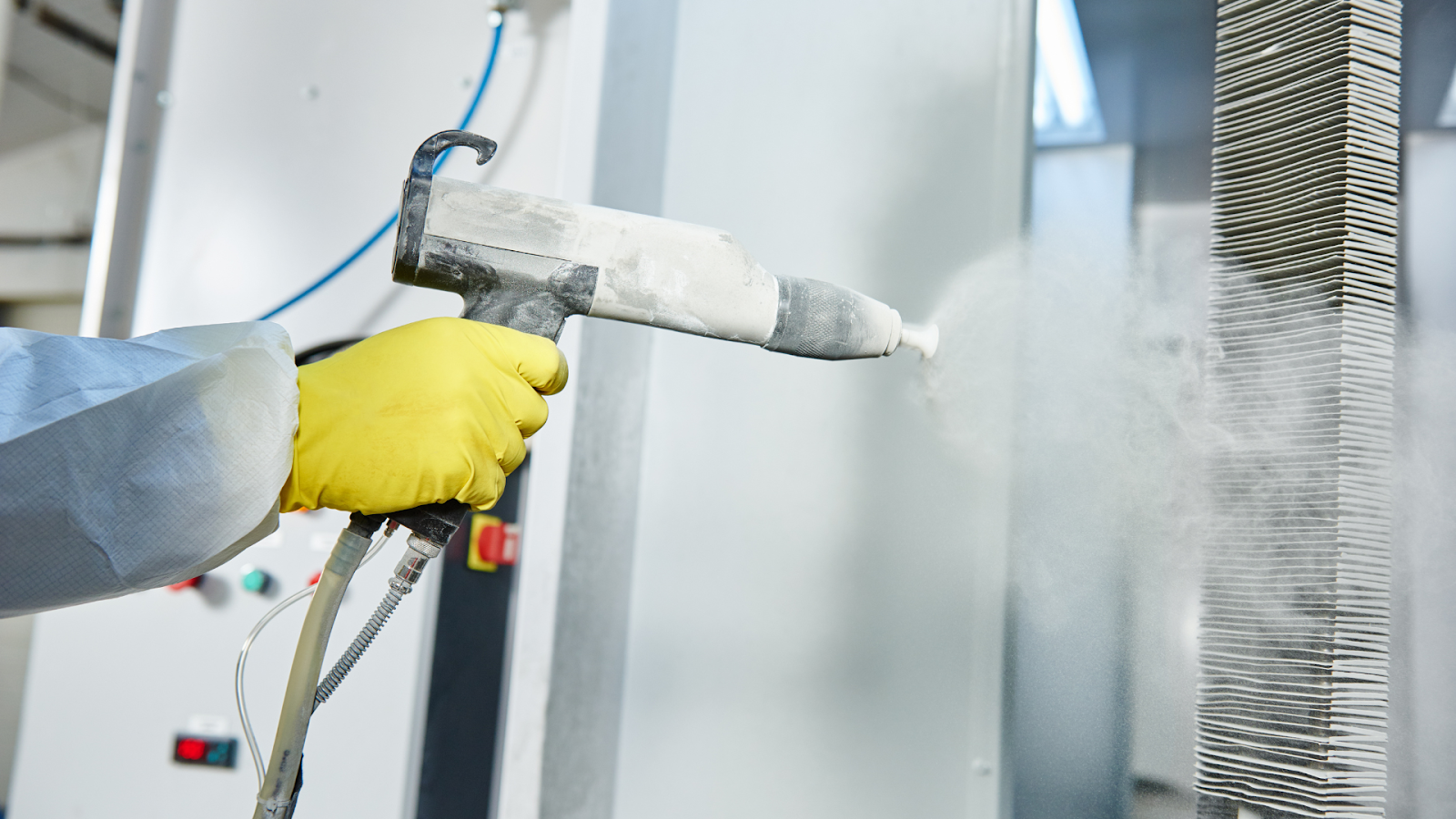
Automation continues to play a growing role in metal finishing operations. Automated systems improve consistency, reduce variability, and support higher production volumes without sacrificing quality. For military metal finishing, automation also enhances repeatability and supports strict documentation requirements.

Digital process control and data integration are becoming equally important. Real-time monitoring of bath chemistry, coating thickness, and process parameters allows for tighter control and faster corrective action. This level of visibility is critical in aerospace and military defense programs, where traceability and audit readiness are non-negotiable.

As these technologies mature, metal finishing providers must demonstrate not only technical capability, but also disciplined execution and data-driven quality systems.

Preparing for the Future of Metal Finishing

The trends shaping metal finishing in 2026 reflect a broader shift toward performance, precision, and accountability. Manufacturers are increasingly relying on surface treatments to support reliability, compliance, and long-term value.

Companies that partner with experienced metal finishing providers—those who understand the intersection of materials, coatings, and real-world operating conditions—will be best positioned to succeed in this evolving landscape.
Filed Under: News Tagged With: advanced coatings manufacturing, aerospace metal finishing, automated metal finishing, digital traceability manufacturing, industrial surface finishing, metal finishing technology, metal finishing trends 2026, military metal finishing, precision surface engineering

Aerospace Metal Finishing: Meeting Military Defense and Aviation Standards

February 16, 2026

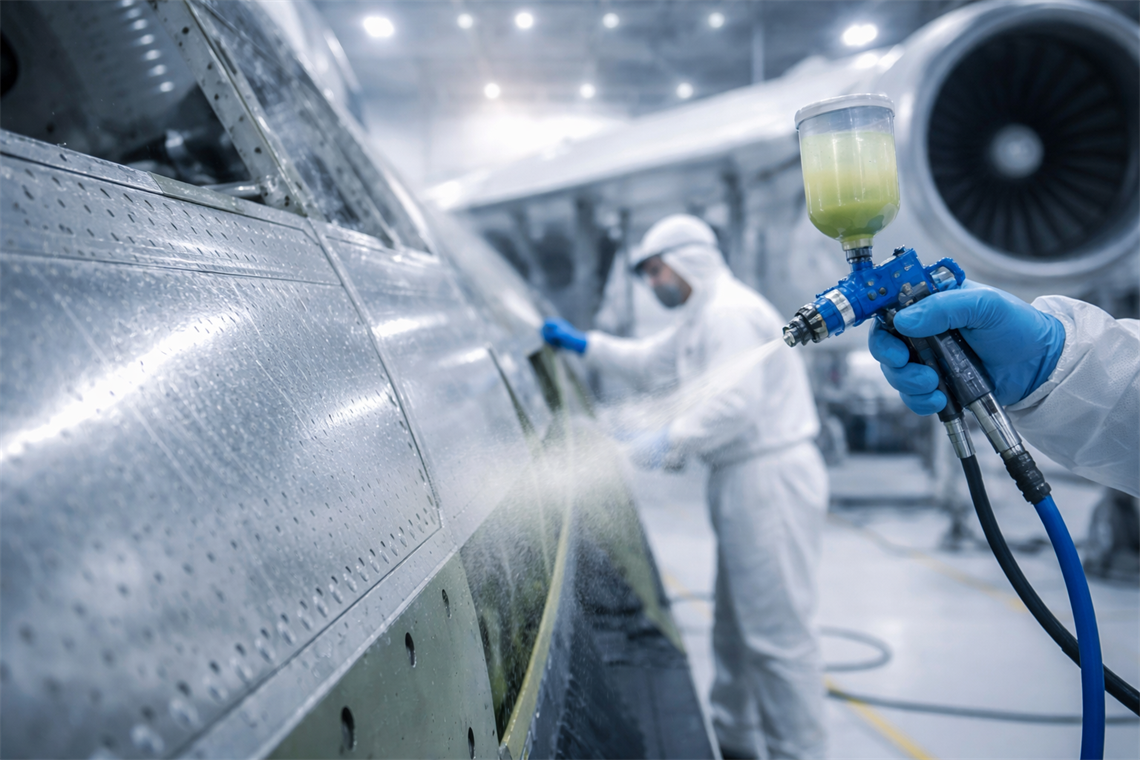
Aerospace components operate in some of the most demanding environments imaginable. When those components are part of military defense systems, performance expectations increase even further. Aerospace metal finishing must meet strict requirements for durability, precision, and regulatory compliance to support both aviation safety and mission readiness.

Military aerospace programs often combine commercial aviation standards with defense-specific requirements. This dual expectation places increased emphasis on material compatibility, process control, and documentation throughout the metal finishing process.

Aerospace Metal Finishing Requirements for Military Defense Applications

Lightweight materials such as aluminum, titanium, and advanced alloys are commonly used in aerospace manufacturing due to their strength-to-weight advantages. However, these materials are highly sensitive to surface conditions and require specialized pretreatments and coatings to resist corrosion, wear, and environmental exposure.

In military aerospace applications, surface treatments may also need to support electrical conductivity, grounding, or electromagnetic interference (EMI) control. Components can be exposed to extreme altitude changes, thermal cycling, vibration, and chemical exposure—all of which place additional demands on metal finishing processes.

Meeting these requirements requires a deep understanding of material behavior and coating performance. Pretreatment chemistry, coating thickness, masking strategy, and cure parameters must all be tightly controlled to ensure performance without compromising structural integrity or dimensional accuracy.

Why Precision, Traceability, and Documentation Matter in Aerospace Finishing

Precision is critical in aerospace manufacturing. Components often operate within extremely tight tolerances, and even small variations in coating thickness can affect assembly, fit, or performance. Uniform application across complex geometries is essential.

Military defense programs also require full traceability and documentation. Every step of the aerospace metal finishing process—from pretreatment through final inspection—must be recorded and verifiable to support audits and long-term program accountability.

Aactron applies validated aerospace metal finishing processes designed for high-reliability environments. Each project is reviewed to ensure alignment with both aviation standards and military defense specifications, delivering precision, repeatability, and compliance where failure is not an option.

Filed Under: News Tagged With: aerospace coatings, aerospace metal finishing, aviation surface treatment, defense metal finishing, MIL-SPEC metal finishing, military aerospace finishing

Phosphating vs. Anodizing: Choosing the Right Pretreatment for Military, Aerospace, and Automotive Programs

February 2, 2026

Table of Contents
  • Key Differences Between Phosphating and Anodizing in Metal Finishing
  • Selecting the Right Pretreatment for Military Defense, Aerospace, and Automotive Applications

Pretreatment is one of the most critical steps in any metal finishing process, particularly in military defense, aerospace, and automotive manufacturing. Two of the most widely specified pretreatments—phosphating and anodizing—serve distinct roles depending on material type and performance requirements.

Key Differences Between Phosphating and Anodizing in Metal Finishing

Phosphating is commonly used on steel components to improve corrosion resistance and coating adhesion. The process creates a crystalline phosphate layer that enhances paint bonding and wear resistance. In automotive and military metal finishing, phosphating is valued for its consistency and durability under heavy use.

Anodizing is primarily applied to aluminum and aluminum alloys. It forms a controlled oxide layer that increases corrosion resistance, surface hardness, and wear protection. In aerospace and military defense applications, anodizing is often specified where lightweight materials and tight tolerances are critical.

Selecting the Right Pretreatment for Military Defense, Aerospace, and Automotive Applications

While both processes enhance coating performance, they are not interchangeable. Using anodizing on steel or phosphating on aluminum can result in inadequate protection or failed inspections. Environmental exposure, service life expectations, and material compatibility must all be considered during pretreatment selection.

At Aactron, pretreatment decisions are guided by material properties, specification requirements, and real-world operating conditions. Engineering review ensures the chosen pretreatment supports coating performance rather than introducing risk.

Filed Under: News Tagged With: aerospace metal finishing, automotive metal finishing, metal finishing pretreatment, military metal finishing, phosphating vs anodizing

Footer

Aactron, Inc.
29306 Stephenson Hwy
Madison Heights, MI 48071

Phone: (248) 543-6740
Fax: (248) 543-6847

HOURS

Shipping & Receiving Open:
Mon – Fri: 7:00am – 3:00pm

Office Open:
Mon – Fri: 7:00am – 3:30pm

Connect With Us

SERVICES

  • Automotive / Truck
  • Aerospace & Aircraft
  • Defense / Military
  • Heavy Truck & Commercial
  • Oil & Mining
  • Wind & Solar Power

Copyright © 2026 · Aactron, Inc. · Site by OMA Comp