• Skip to primary navigation
  • Skip to main content
  • Skip to footer
Aactron, Inc.

Aactron, Inc.

Madison Heights, MI

(248) 543-6740 (248) 543-6847 Certificates Brochure (PDF) Download Contacts Review Us

  • Home
  • About
    • Testimonials
    • Blog
  • Services
    • Automotive / Truck
    • Aerospace & Aircraft
    • Defense / Military
    • Heavy Truck & Commercial
    • Oil & Mining
    • Wind & Solar Power
  • Specifications
    • Standard Documentation, Testing & Treatments
    • Terms and Conditions
    • Capabilities – Line Card
    • Approvals And Certifications
  • Location
  • Careers
  • Contact

military defense coatings

Why Military Metal Finishing Is Essential to Defense Equipment Reliability

February 6, 2026

Table of Contents
  • The Role of Military Metal Finishing in Corrosion, Wear, and Fatigue Resistance
  • Precision, Tolerances, and Process Control in Defense Metal Finishing

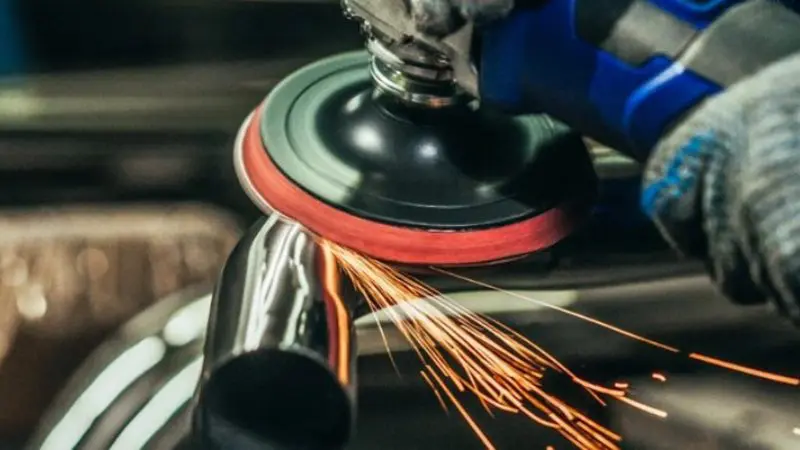
Defense equipment is engineered to operate in environments far more extreme than those encountered in commercial applications. High heat, constant vibration, moisture exposure, chemical contact, and sustained mechanical stress are not exceptions—they are normal operating conditions. In these environments, military metal finishing plays a critical role in ensuring components perform reliably throughout their intended service life.

Base materials alone are rarely sufficient to withstand the realities of military defense operations. Surface treatments provide essential protection that enhances corrosion resistance, wear resistance, and long-term surface stability. Without proper metal finishing, even well-designed components can experience premature degradation, leading to reduced performance, increased maintenance, or system failure.

The Role of Military Metal Finishing in Corrosion, Wear, and Fatigue Resistance

Corrosion remains one of the most persistent threats to defense equipment. Exposure to moisture, salt, chemicals, and temperature fluctuations can quickly degrade unprotected surfaces. Military metal finishing creates protective barriers that shield components from these elements, preserving structural integrity over extended service life.

Wear protection is equally important. Moving components, contact surfaces, and mechanical interfaces are subject to friction and abrasion that can accelerate material loss. Proper coatings reduce wear, improve hardness, and maintain surface stability under continuous use.

Military metal finishing also plays a critical role in fatigue resistance. Defense components are often subjected to repeated stress cycles over long periods of time. Without adequate surface protection, microscopic cracks can initiate at the surface and propagate, eventually leading to failure. Pretreatments and coatings reduce friction, distribute stress more evenly, and help prevent crack initiation.

Precision, Tolerances, and Process Control in Defense Metal Finishing

Defense components frequently require tight tolerances, particularly in aerospace systems, weapons platforms, and precision assemblies. Coatings must be applied uniformly and consistently without altering part geometry or interfering with fit and function.

Achieving this level of precision requires disciplined process control, validated application methods, and thorough inspection protocols. Variability in pretreatment, coating thickness, or cure conditions can introduce unacceptable risk.

At Aactron, military metal finishing is treated as an extension of the engineering process—not a final cosmetic step. Each coating solution is selected based on material type, environmental exposure, performance requirements, and applicable military standards. This disciplined approach ensures repeatable, compliant results in demanding defense environments.

Reliability in military defense programs is not achieved by chance. It is built through controlled surface engineering and a deep understanding of how metal finishing performs in real-world operational conditions.

Filed Under: News Tagged With: corrosion resistance military, defense equipment reliability, defense surface treatments, fatigue resistance coatings, military defense coatings, military metal finishing, wear resistant coatings

What Is CARC Coating? Benefits & Military Defense Standards Explained

February 4, 2026

Table of Contents
  • The Role of Military Metal Finishing in Corrosion, Wear, and Fatigue Resistance
  • Precision, Tolerances, and Process Control in Defense Metal Finishing

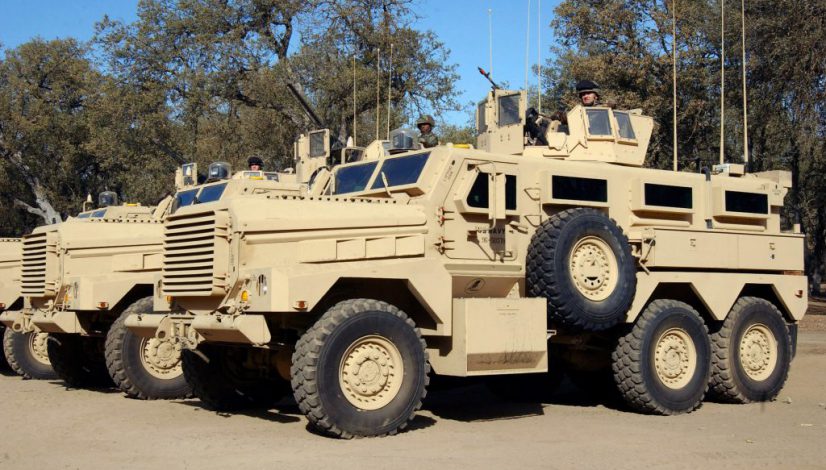
Chemical Agent Resistant Coating (CARC) is a specialized surface treatment required across many military defense platforms to protect equipment operating in hostile and unpredictable environments. CARC coatings are engineered not only to resist chemical warfare agents, but also to provide long-term corrosion resistance, abrasion protection, and environmental durability.

Unlike conventional industrial paints, CARC systems are specified under strict military standards. They are commonly applied to military vehicles, tactical equipment, weapons systems, and support infrastructure. In military metal finishing, CARC is a functional requirement tied directly to personnel safety, equipment survivability, and regulatory compliance.

How CARC Coating Protects Military Defense Equipment in Extreme Environments

One of the defining characteristics of CARC coating is its resistance to chemical agents. The coating prevents absorption and allows for effective decontamination without compromising the integrity of the underlying substrate. This capability is critical in modern military defense environments where exposure risks extend beyond traditional corrosion threats.

In addition to chemical resistance, CARC coatings protect against moisture, UV exposure, abrasion, and temperature extremes. Military equipment is often deployed for extended periods in harsh climates, making long-term durability essential. Properly applied CARC coatings reduce corrosion-related failures, extend service life, and lower maintenance demands.

Why Proper Pretreatment and Process Control Are Critical for CARC Compliance

Successful CARC application depends heavily on surface preparation. Pretreatment processes must remove oils, oxides, and contaminants while creating the correct surface profile for coating adhesion. Any inconsistency at this stage can lead to poor adhesion, premature coating failure, or inspection rejection.

Coating thickness control is equally critical. CARC coatings must meet precise thickness requirements to ensure performance without interfering with part fit or function. Over-application can impact tolerances, while under-application compromises protection.

At Aactron, CARC coating is approached as a controlled engineering process. Each project begins with a review of specifications, materials, and environmental exposure requirements. From pretreatment through final inspection, every step is tightly controlled to meet military defense standards.

Filed Under: News Tagged With: CARC coating, chemical agent resistant coating, defense surface treatments, military defense coatings, military metal finishing

Footer

Aactron, Inc.
29306 Stephenson Hwy
Madison Heights, MI 48071

Phone: (248) 543-6740
Fax: (248) 543-6847

HOURS

Shipping & Receiving Open:
Mon – Fri: 7:00am – 3:00pm

Office Open:
Mon – Fri: 7:00am – 3:30pm

Connect With Us

SERVICES

  • Automotive / Truck
  • Aerospace & Aircraft
  • Defense / Military
  • Heavy Truck & Commercial
  • Oil & Mining
  • Wind & Solar Power

Copyright © 2026 · Aactron, Inc. · Site by OMA Comp