• Skip to primary navigation
  • Skip to main content
  • Skip to footer
Aactron, Inc.

Aactron, Inc.

Madison Heights, MI

(248) 543-6740 (248) 543-6847 Certificates Brochure (PDF) Download Contacts Review Us

  • Home
  • About
    • Testimonials
    • Blog
  • Services
    • Automotive / Truck
    • Aerospace & Aircraft
    • Defense / Military
    • Heavy Truck & Commercial
    • Oil & Mining
    • Wind & Solar Power
  • Specifications
    • Standard Documentation, Testing & Treatments
    • Terms and Conditions
    • Capabilities – Line Card
    • Approvals And Certifications
  • Location
  • Careers
  • Contact

military metal finishing

Top Metal Finishing Technology Trends Shaping 2026

February 18, 2026

The metal finishing industry is entering a period of rapid transformation. As manufacturers across automotive, aerospace, military defense, and heavy industry demand higher performance, tighter tolerances, and greater accountability, metal finishing is no longer viewed as a secondary process. It has become a critical component of product performance, reliability, and lifecycle cost control.

In 2026, metal finishing innovation is being driven by advanced coatings, automation, and increased emphasis on precision and documentation. These trends are reshaping how surface treatments are specified, applied, and evaluated across high-spec manufacturing environments.

Advanced Coatings and Precision Surface Engineering

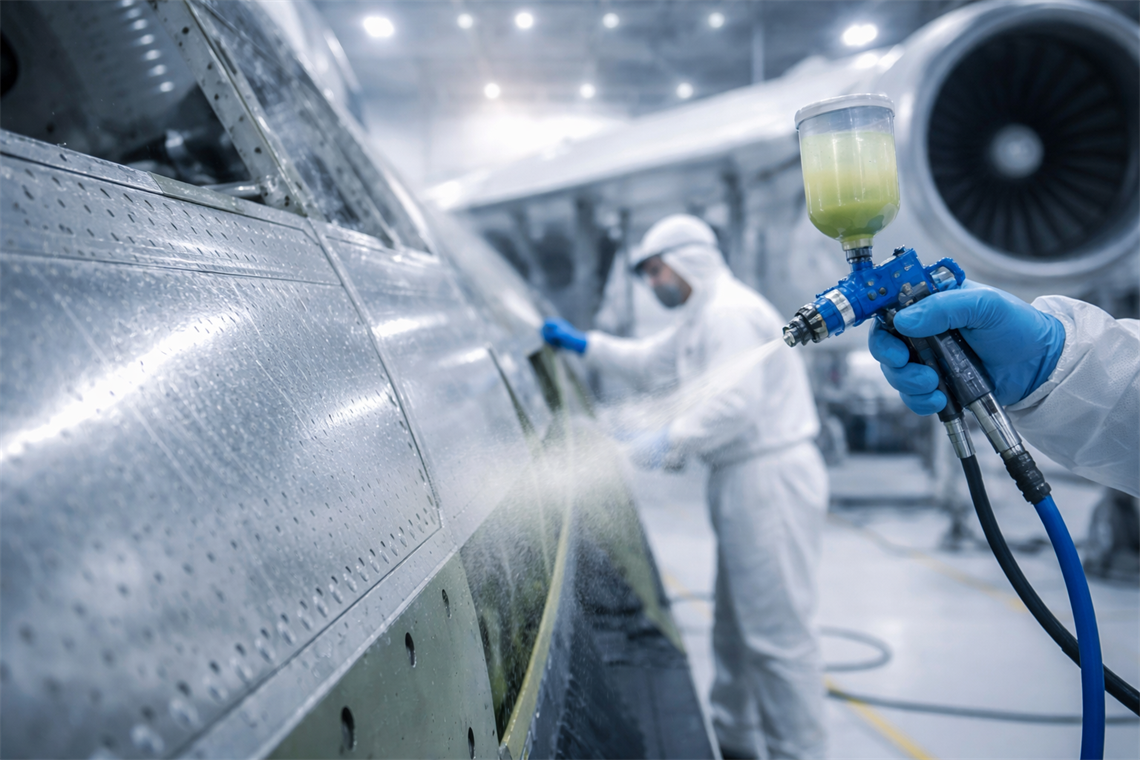
One of the most significant trends shaping modern metal finishing is the continued development of advanced coatings designed for performance-critical applications. These include high-durability coatings, thin-film technologies, and surface treatments engineered to enhance corrosion resistance, wear protection, and chemical stability.

In aerospace and military defense applications, precision surface engineering is essential. Components often operate under extreme temperature swings, vibration, and environmental exposure. Coatings must provide protection without adding excessive thickness or compromising dimensional tolerances.

Automotive manufacturers are also driving innovation as electrification and lightweighting increase the use of aluminum and advanced alloys. These materials require specialized metal finishing solutions that balance durability, conductivity, and long-term reliability.

At Aactron, advanced coatings are selected and applied with an engineering-first mindset. Every surface treatment is evaluated for material compatibility, environmental exposure, and performance requirements to ensure consistent results in demanding applications.

Automation, Process Control, and Digital Traceability

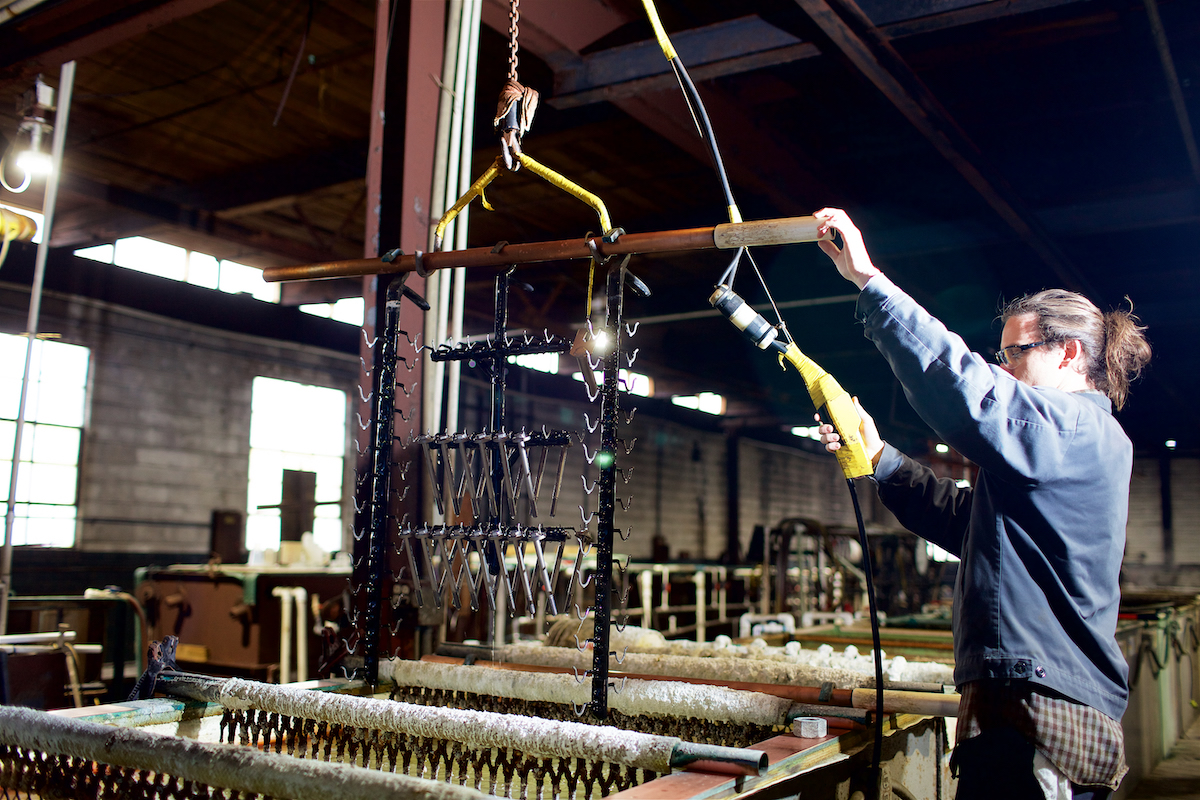
Automation continues to play a growing role in metal finishing operations. Automated systems improve consistency, reduce variability, and support higher production volumes without sacrificing quality. For military metal finishing, automation also enhances repeatability and supports strict documentation requirements.

Digital process control and data integration are becoming equally important. Real-time monitoring of bath chemistry, coating thickness, and process parameters allows for tighter control and faster corrective action. This level of visibility is critical in aerospace and military defense programs, where traceability and audit readiness are non-negotiable.

As these technologies mature, metal finishing providers must demonstrate not only technical capability, but also disciplined execution and data-driven quality systems.

Preparing for the Future of Metal Finishing

The trends shaping metal finishing in 2026 reflect a broader shift toward performance, precision, and accountability. Manufacturers are increasingly relying on surface treatments to support reliability, compliance, and long-term value.

Companies that partner with experienced metal finishing providers—those who understand the intersection of materials, coatings, and real-world operating conditions—will be best positioned to succeed in this evolving landscape.
Filed Under: News Tagged With: advanced coatings manufacturing, aerospace metal finishing, automated metal finishing, digital traceability manufacturing, industrial surface finishing, metal finishing technology, metal finishing trends 2026, military metal finishing, precision surface engineering

Why Military Metal Finishing Is Essential to Defense Equipment Reliability

February 6, 2026

Table of Contents
  • The Role of Military Metal Finishing in Corrosion, Wear, and Fatigue Resistance
  • Precision, Tolerances, and Process Control in Defense Metal Finishing

Defense equipment is engineered to operate in environments far more extreme than those encountered in commercial applications. High heat, constant vibration, moisture exposure, chemical contact, and sustained mechanical stress are not exceptions—they are normal operating conditions. In these environments, military metal finishing plays a critical role in ensuring components perform reliably throughout their intended service life.

Base materials alone are rarely sufficient to withstand the realities of military defense operations. Surface treatments provide essential protection that enhances corrosion resistance, wear resistance, and long-term surface stability. Without proper metal finishing, even well-designed components can experience premature degradation, leading to reduced performance, increased maintenance, or system failure.

The Role of Military Metal Finishing in Corrosion, Wear, and Fatigue Resistance

Corrosion remains one of the most persistent threats to defense equipment. Exposure to moisture, salt, chemicals, and temperature fluctuations can quickly degrade unprotected surfaces. Military metal finishing creates protective barriers that shield components from these elements, preserving structural integrity over extended service life.

Wear protection is equally important. Moving components, contact surfaces, and mechanical interfaces are subject to friction and abrasion that can accelerate material loss. Proper coatings reduce wear, improve hardness, and maintain surface stability under continuous use.

Military metal finishing also plays a critical role in fatigue resistance. Defense components are often subjected to repeated stress cycles over long periods of time. Without adequate surface protection, microscopic cracks can initiate at the surface and propagate, eventually leading to failure. Pretreatments and coatings reduce friction, distribute stress more evenly, and help prevent crack initiation.

Precision, Tolerances, and Process Control in Defense Metal Finishing

Defense components frequently require tight tolerances, particularly in aerospace systems, weapons platforms, and precision assemblies. Coatings must be applied uniformly and consistently without altering part geometry or interfering with fit and function.

Achieving this level of precision requires disciplined process control, validated application methods, and thorough inspection protocols. Variability in pretreatment, coating thickness, or cure conditions can introduce unacceptable risk.

At Aactron, military metal finishing is treated as an extension of the engineering process—not a final cosmetic step. Each coating solution is selected based on material type, environmental exposure, performance requirements, and applicable military standards. This disciplined approach ensures repeatable, compliant results in demanding defense environments.

Reliability in military defense programs is not achieved by chance. It is built through controlled surface engineering and a deep understanding of how metal finishing performs in real-world operational conditions.

Filed Under: News Tagged With: corrosion resistance military, defense equipment reliability, defense surface treatments, fatigue resistance coatings, military defense coatings, military metal finishing, wear resistant coatings

What Is CARC Coating? Benefits & Military Defense Standards Explained

February 4, 2026

Table of Contents
  • The Role of Military Metal Finishing in Corrosion, Wear, and Fatigue Resistance
  • Precision, Tolerances, and Process Control in Defense Metal Finishing

Chemical Agent Resistant Coating (CARC) is a specialized surface treatment required across many military defense platforms to protect equipment operating in hostile and unpredictable environments. CARC coatings are engineered not only to resist chemical warfare agents, but also to provide long-term corrosion resistance, abrasion protection, and environmental durability.

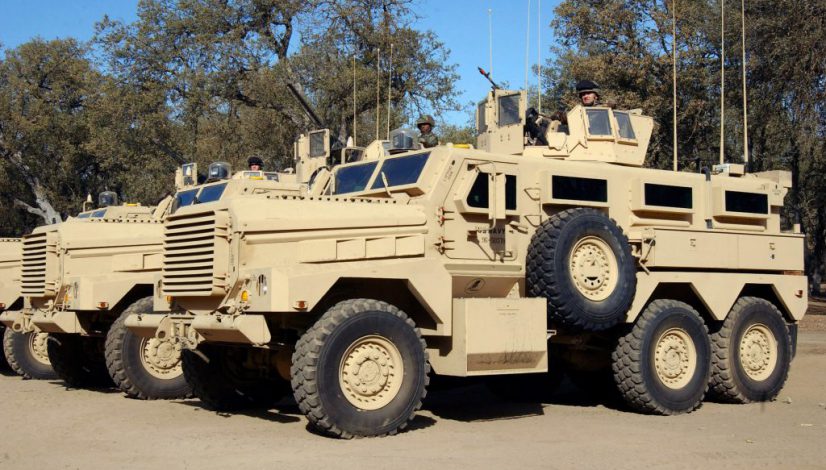
Unlike conventional industrial paints, CARC systems are specified under strict military standards. They are commonly applied to military vehicles, tactical equipment, weapons systems, and support infrastructure. In military metal finishing, CARC is a functional requirement tied directly to personnel safety, equipment survivability, and regulatory compliance.

How CARC Coating Protects Military Defense Equipment in Extreme Environments

One of the defining characteristics of CARC coating is its resistance to chemical agents. The coating prevents absorption and allows for effective decontamination without compromising the integrity of the underlying substrate. This capability is critical in modern military defense environments where exposure risks extend beyond traditional corrosion threats.

In addition to chemical resistance, CARC coatings protect against moisture, UV exposure, abrasion, and temperature extremes. Military equipment is often deployed for extended periods in harsh climates, making long-term durability essential. Properly applied CARC coatings reduce corrosion-related failures, extend service life, and lower maintenance demands.

Why Proper Pretreatment and Process Control Are Critical for CARC Compliance

Successful CARC application depends heavily on surface preparation. Pretreatment processes must remove oils, oxides, and contaminants while creating the correct surface profile for coating adhesion. Any inconsistency at this stage can lead to poor adhesion, premature coating failure, or inspection rejection.

Coating thickness control is equally critical. CARC coatings must meet precise thickness requirements to ensure performance without interfering with part fit or function. Over-application can impact tolerances, while under-application compromises protection.

At Aactron, CARC coating is approached as a controlled engineering process. Each project begins with a review of specifications, materials, and environmental exposure requirements. From pretreatment through final inspection, every step is tightly controlled to meet military defense standards.

Filed Under: News Tagged With: CARC coating, chemical agent resistant coating, defense surface treatments, military defense coatings, military metal finishing

Phosphating vs. Anodizing: Choosing the Right Pretreatment for Military, Aerospace, and Automotive Programs

February 2, 2026

Table of Contents
  • The Role of Military Metal Finishing in Corrosion, Wear, and Fatigue Resistance
  • Precision, Tolerances, and Process Control in Defense Metal Finishing

Pretreatment is one of the most critical steps in any metal finishing process, particularly in military defense, aerospace, and automotive manufacturing. Two of the most widely specified pretreatments—phosphating and anodizing—serve distinct roles depending on material type and performance requirements.

Key Differences Between Phosphating and Anodizing in Metal Finishing

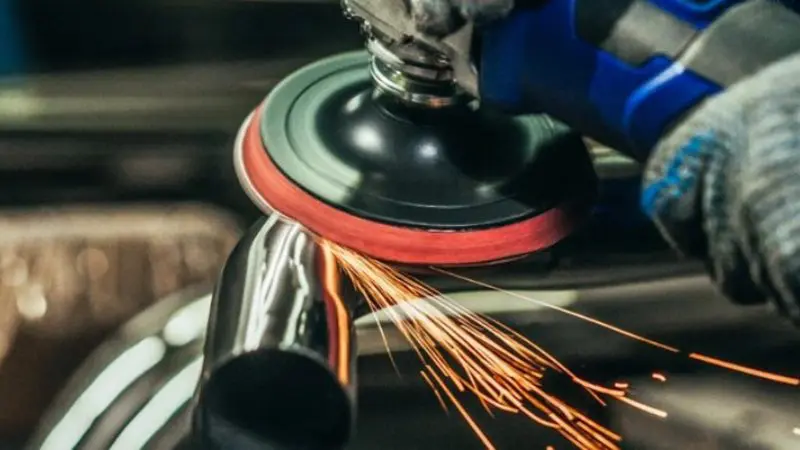
Phosphating is commonly used on steel components to improve corrosion resistance and coating adhesion. The process creates a crystalline phosphate layer that enhances paint bonding and wear resistance. In automotive and military metal finishing, phosphating is valued for its consistency and durability under heavy use.

Anodizing is primarily applied to aluminum and aluminum alloys. It forms a controlled oxide layer that increases corrosion resistance, surface hardness, and wear protection. In aerospace and military defense applications, anodizing is often specified where lightweight materials and tight tolerances are critical.

Selecting the Right Pretreatment for Military Defense, Aerospace, and Automotive Applications

While both processes enhance coating performance, they are not interchangeable. Using anodizing on steel or phosphating on aluminum can result in inadequate protection or failed inspections. Environmental exposure, service life expectations, and material compatibility must all be considered during pretreatment selection.

At Aactron, pretreatment decisions are guided by material properties, specification requirements, and real-world operating conditions. Engineering review ensures the chosen pretreatment supports coating performance rather than introducing risk.

Filed Under: News Tagged With: aerospace metal finishing, automotive metal finishing, metal finishing pretreatment, military metal finishing, phosphating vs anodizing

Footer

Aactron, Inc.
29306 Stephenson Hwy
Madison Heights, MI 48071

Phone: (248) 543-6740
Fax: (248) 543-6847

HOURS

Shipping & Receiving Open:
Mon – Fri: 7:00am – 3:00pm

Office Open:
Mon – Fri: 7:00am – 3:30pm

Connect With Us

SERVICES

  • Automotive / Truck
  • Aerospace & Aircraft
  • Defense / Military
  • Heavy Truck & Commercial
  • Oil & Mining
  • Wind & Solar Power

Copyright © 2026 · Aactron, Inc. · Site by OMA Comp